
Here’s the thing. I started using Phantom months ago because Solana moved fast and felt promising. My first impression was smooth, almost annoyingly simple to set up. Initially I thought browser wallet extensions were all about convenience, but then I realized that the security model and UX trade-offs matter far more than I expected. That realization shaped how I evaluate every Sol wallet since.
My instinct said no. Something felt off about some extensions—they asked too many permissions at once. I dug into Phantom’s permissions and UX patterns before I trusted it with real SOL. On one hand many people tolerate browser-based keys because they want speed and easy dApp connections, though actually when you consider phishing and compromised machines the calculus becomes more complex and personal risk tolerance matters. Actually, wait—let me rephrase that.
Really, it’s true. Here’s what bugs me about some wallet docs—they assume you know jargon; there’s somethin’ missing in the basic explanations. Phantom’s UX tries to bridge that gap with simple onboarding and clear prompts. If you’re new to the Sol ecosystem you want minimal friction, yet you also need granular control over connection approvals and transaction signing behaviors, because signing blind is how people lose funds. Okay, so check this out—Phantom balances those concerns fairly well in my experience.
Whoa, not what I expected. The extension integrates with Ledger hardware and offers in-extension swaps and staking options. There are subtle UX choices that reduce accidental approvals, like clearer transaction previews. But actually I’m picky about where funds are stored, and although Phantom’s accounts are locally encrypted and the seed phrase stays on your device, the ecosystem around a wallet—extensions, websites, wallet adapters—creates a surface that you must manage carefully. I’m biased, but I prefer combining Phantom with a hardware key for larger holdings.
Wow, that helped. Once I connected a Ledger, my threat model changed—phishing became less likely to work. The signing experience is interrupted by the hardware confirmation, and that pause is protective and sometimes oddly comforting. Initially I thought hardware-wallet–only setups were overkill for small trades, but then realized that even small mistakes on Sol can be costly because transaction finality and mempool behavior can make reversals impossible. So for day-to-day smaller sums I use the extension; for larger balances I route through Ledger.
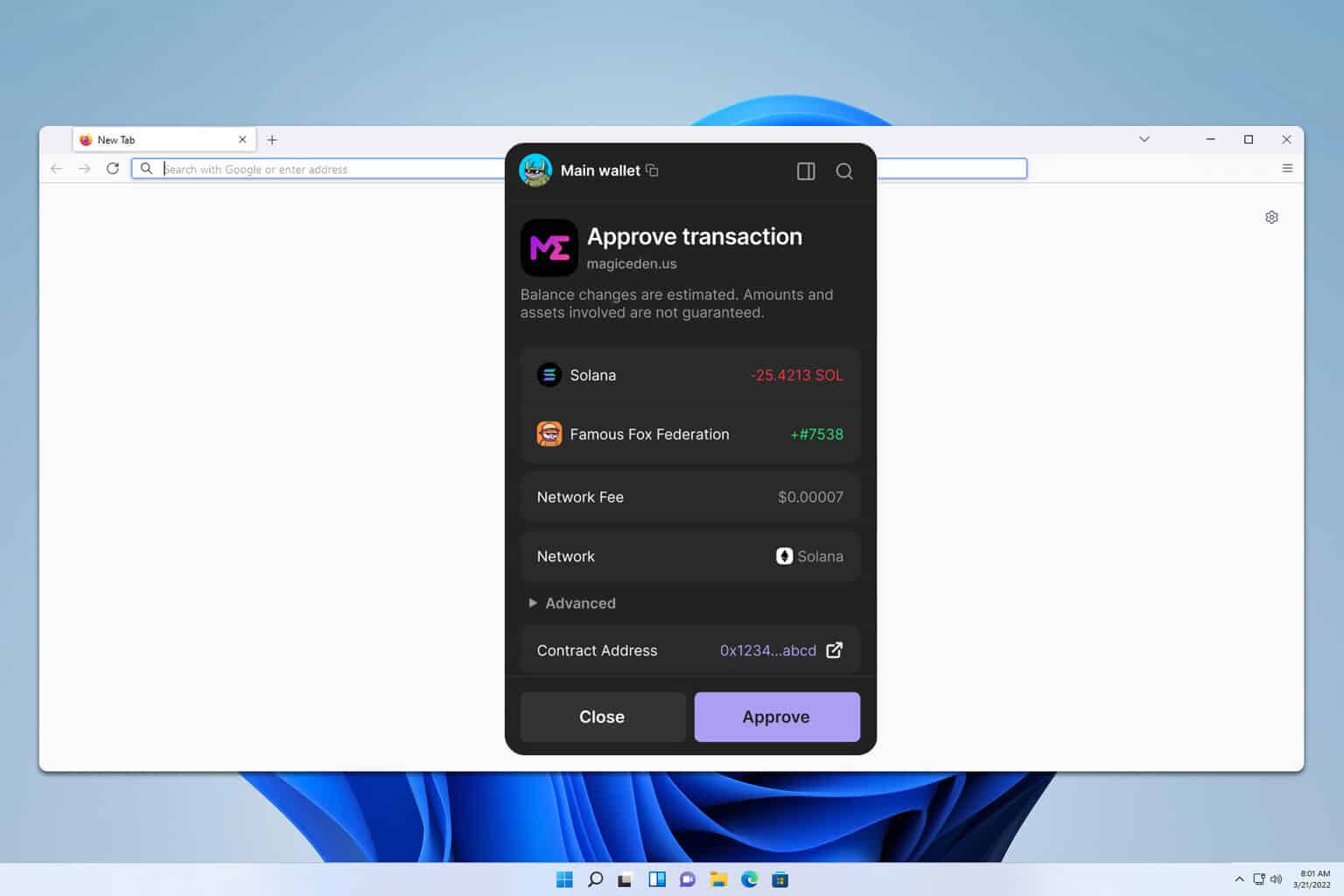
Seriously, did that happen? Phantom also provides a recent activity feed which helps you spot weird transactions quickly. I once caught a strange approval request and stopped before signing because the fee looked off. Something felt off about the dApp’s request (oh, and by the way I reported it), although I couldn’t prove malice, my instinct said hold up and investigate further which paid off. Pro tip: double-check contract addresses and what data a dApp is requesting before approving anything.
Hmm, not always perfect. There are occasional UI bugs and rare session issues that force a reconnect. Developers are active though, and updates land often, so things improve. On one hand the pace of Sol development brings innovations (spl-token upgrades, compressed NFTs), though on the other hand rapid changes sometimes outpace documentation and best practices, which creates uncertainty for users. I’m not 100% sure, but that’s my read right now.
Where to get Phantom (and how I install it)
If you want to try Phantom, start with small amounts and practice safety. Use the official extension from trusted sources and avoid copycat sites. You can grab the Phantom extension from a verified page (I usually link from canonical sources), and always verify the URL and permissions before installing. Treat your seed phrase like cash—store it offline and never share it under any circumstances. Also, keep your browser and the extension updated, and consider small test transactions first.
For convenient access, many users land on this page to download and verify the extension: https://sites.google.com/cryptowalletextensionus.com/phantomwalletdownloadextension/
Quick personal note: this part bugs me sometimes—the marketing blur between “easy” and “safe” is fuzzy. I’m biased toward explicit confirmations, and the UX should force a moment of thought before signing anything that moves value. Also, very very often people skip dialogs—they click through like it’s install day, which is exactly what attackers hope for. So practice the pause: read what you’re signing, check origin details, and when in doubt, abort and ask.
FAQ
Is Phantom safe for daily use?
Really good question. Phantom is widely used and has strong community scrutiny which helps security. But like any extension, risks exist and depend on how you use it. If you combine it with hardware wallets for large balances, adopt good browsing hygiene, and keep software updated, your risk profile drops substantially though nothing is zero-risk. So start with small amounts and learn the transaction flows before scaling up.
Should I store long-term SOL in Phantom?
Short answer: use a hardware wallet for long-term holdings. The extension is great for convenience and quick interactions, but hardware-backed keys reduce attack surface when you care about custody. I keep trading funds in the extension and cold storage on Ledger for long-term assets, which matches my threat model and comfort level. Remember, practice and repetition reduce mistakes—do a dry run if you’re not sure.